
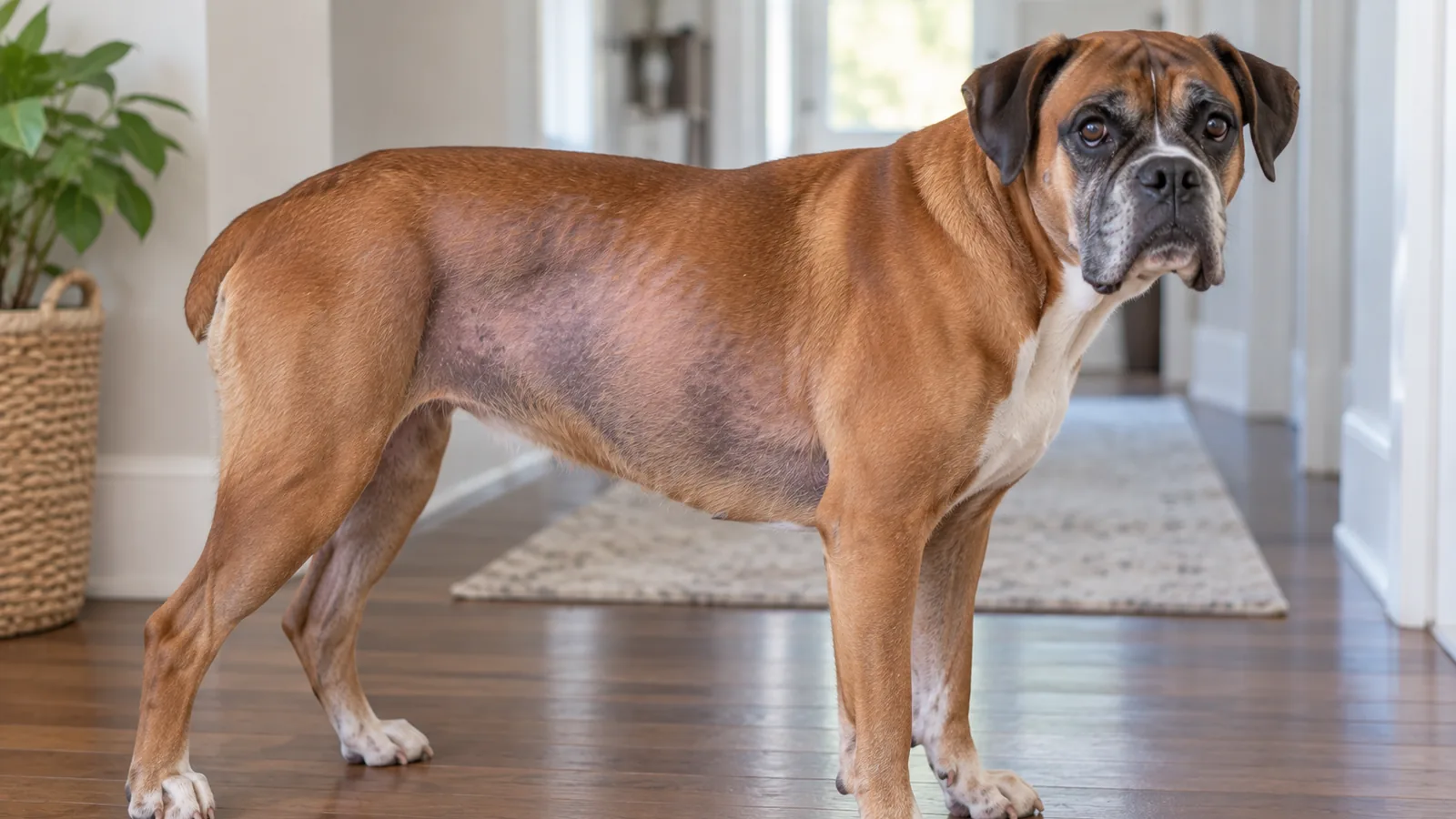
It is tempting to reach for a medicated shampoo when a bald patch shows up, then wait weeks to see if it works. A shampoo aimed at yeast does nothing for mange, ringworm can spread to other pets and sometimes to people, and a thyroid problem goes unnoticed the whole time. Testing beats another round of trial and error, with samples from the skin to find mites or fungus and bloodwork when the pattern points to a hormone problem. Once the real cause is identified, most coats grow back.
Watching a patch spread while nothing you try makes a difference is frustrating, and worse when you are wondering whether your other pets or the people in your house can catch it. At Krichel Animal Hospital in Keokuk, we would rather test than guess, and our diagnostic capabilities let us examine the skin and run bloodwork to find what is actually driving the hair loss. Skin and coat are part of every exam in our AAHA-accredited hospital, so tell us about any change you have noticed at home. If a bald spot is not filling back in, schedule a visit and we will find out why.
Start Here: What a Bald Patch Means
- The same bald patch can trace back to allergies, mites, ringworm, a hormone problem, or hours of quiet licking.
- Itchy hair loss usually points toward allergies, parasites, or infection, while even thinning on both sides with almost no scratching points toward hormones.
- A skin scraping, a cytology slide, and blood work answer most of these questions faster than another month of shampoo guesswork.
- Most coats fill back in once the right cause is treated, and inherited conditions that can't be cured can still be managed comfortably.
Is My Pet Shedding Normally, or Is This Hair Loss?
Normal shedding is even, seasonal, and leaves healthy skin underneath. Alopecia is the medical word for hair loss, and it's a symptom rather than a diagnosis. That is the reason two pets with identical bald patches can need completely different treatment. Bare skin, a patch that won't refill, or nonstop scratching needs an exam.
A spring blowout from a Lab or a Husky is dramatic and normal. Here's what's worth a closer look:
- Barbering: hair broken off short and stubbly instead of missing at the root, which means a tongue or a set of teeth is involved.
- Patches out of season: thinning in one spot, or bare skin along the flanks, belly, or tail base while the rest looks fine.
- Skin that's changing: redness, scaling, crusts, blackheads, or a darkened, leathery feel where the fur used to be.
- Hair that never comes back: a clipped or shed area still bare months later.
- Focused licking: the same paw, ear, or hip worked over and over, often at night when the house goes quiet.
Phone photos help more than families expect, since a picture from three weeks ago turns "I think it's spreading" into something measurable. A hands-on skin check is part of every routine visit here, one of the AAHA accreditation standards we hold ourselves to, and it often catches early thinning on a pet who came in for something else.
Could My Pet's Hair Loss Be Allergies?
Allergies are one of the most common reasons dogs and cats lose fur. Pollen, dust mites, and mold spores drive atopic dermatitis, where the itch comes first and the bald patches follow from scratching, licking, and chewing. The hair isn't falling out on its own. It's being removed.
Food allergies usually trace back to a protein the pet has eaten for years, most often beef, chicken, dairy, or egg, and the itching they cause doesn't come and go with the seasons. Flea allergy is the other heavy hitter, and it takes remarkably little: the saliva from a handful of bites can set off days of misery over the rump and tail base, long after the fleas are gone.
Dogs and cats tell us in different ways. Dogs go after paws, ears, armpits, and belly, and you hear the licking from the next room. Cats are quieter, and many chew the fur off their belly and inner legs where nobody watches, with a rise in hairballs as the only hint. Long-term control usually stacks a few tools together: medicated baths, omega-3 support, an anti-itch medication when the flare is bad, and sometimes an elimination diet or allergy testing to pin down the trigger. If the itch circles back every few months, a real workup beats riding out another season.
What If It's Mites, Ringworm, or a Skin Infection?
Mites, fleas, bacteria, yeast, and ringworm all strip the coat by inflaming the skin, and telling them apart takes a microscope rather than a guess at the shelf of shampoos. Indoor pets pick these up too, and the culprits behind most hair loss are too small to see.
- Mites: Demodex mites live quietly in normal skin and overgrow when the immune system is young, stressed, or suppressed, leaving moth-eaten patches around the eyes and muzzle with surprisingly little itch. Sarcoptic mange causes some of the most relentless itching in veterinary medicine, with hair loss along the ear margins, elbows, and belly, and it spreads to other pets and to people in the house.
- Fleas: a few bites are enough in a sensitive pet, and year-round prevention for every pet in the household is the best strategy to keep fleas at bay.
- Bacteria and yeast: inflamed skin lets surface organisms bloom. Bacterial overgrowth raises pustules and crusty rings that leave bare centers, while Malassezia yeast makes skin greasy, musty, and rust-stained between the toes.
- Ringworm: a fungus, not a worm, and it carves circular bald patches with scaly edges. Kittens, puppies, and pets from crowded housing are most at risk, and it moves to people, especially kids.
Skin scrapings and fungal cultures sort one from another during the same exam. Never use a parasite product prescribed for another pet while you wait: dog flea products can be lethal to cats, and the wrong product on the right mite just delays the answer.
Why Is My Pet Losing Hair Evenly on Both Sides?
Fur that thins symmetrically along both flanks, the tail, and the trunk, with barely any scratching, points toward hormones instead of skin disease. The coat gets thinner over months and regrows slowly after a clip, and plenty of families only notice once they compare an old photo.
What Do Thyroid and Cushing's Disease Do to the Coat?
A dog with hypothyroidism often carries a dull, thinning coat that regrows slowly or not at all, paired with weight gain, low energy, and very little scratching. Cushing's disease floods the body with cortisol, thinning skin and coat across the trunk while the dog drinks, urinates, and eats noticeably more than usual. Cats run the other direction: an older cat with hyperthyroidism tends to look unkempt and matted, with a patchy coat, while dropping weight on a big appetite.
Can Neutering Status or My Own Medications Be Involved?
Sex hormones drive a real share of symmetrical hair loss, and the source is sometimes sitting on your bathroom counter. In an intact male dog, testicular tumors can produce enough estrogen to strip hair symmetrically from the flanks and groin, and neutering often reverses the change. Intact females can thin in the same pattern during heat cycles, and spaying resolves many of those cases.
Hormone creams, gels, and patches absorb readily through pet skin. A small dog who naps against your arm or licks a freshly treated spot can take in enough to lose fur. Mention any topical medication you use, even if you're careful with it.
Why Does Routine Blood Work Matter for Coat Health?
Routine blood work matters for the coat because hormone imbalances register in the bloodstream long before a bald patch appears. A panel drawn while your dog feels fine gives us baseline values, and the next one tells us whether a number moved or simply runs low for them. That comparison saves weeks of chasing skin when the answer is a gland. For a middle-aged or senior pet, ask about a baseline panel at the next visit.
Are Some Breeds Just Built to Lose Hair?
Some breeds do carry inherited coat disorders, and breed narrows the search fast. With hair loss linked to genetics, like color dilution alopecia in blue and fawn coats, the follicle itself is built differently and the goal shifts from cure to comfortable management.
| Condition | Who tends to get it | What it looks like |
| Color dilution alopecia | Blue and fawn Dobermans, Dachshunds, Italian Greyhounds | Brittle, thinning hair only in the diluted-color areas, usually starting young |
| Seasonal flank alopecia | Boxers, Bulldogs, Airedales | Well-defined dark patches on both flanks that come and go with the daylight cycle |
| Alopecia X | Pomeranians, Chow Chows, Samoyeds, Keeshonds | Guard hairs lost down the trunk and tail, leaving a soft puppy coat |
| Sebaceous adenitis | Standard Poodles, Akitas | Silvery scale clinging to the hair, dry skin, and a musty odor |
| Zinc-responsive dermatosis | Huskies, Malamutes | Crusts and scale around the eyes, muzzle, and elbows that improve with zinc |
None of these gets diagnosed on looks alone: a Pomeranian can have a thyroid problem just as easily as alopecia X. We clear mites, infection, and endocrine disease off the list before we settle on a breed diagnosis. Management then leans on skin-supportive nutrition, gentle bathing, and melatonin in the cases tied to the light cycle. The coat may never be show-ring thick, and these dogs live perfectly comfortable lives anyway.
Can Stress or Pain Make a Pet Lick Their Hair Off?
Stress and pain both drive licking that strips fur, and the result looks nothing like a rash. Stress-driven overgrooming in cats leaves smooth, evenly thinned strips along the belly and inner thighs, with skin underneath that looks completely normal.
The behavior version is called psychogenic alopecia, and it follows change: a move, a new baby, a schedule shift, a roommate cat guarding the litter box, or a neighborhood tom parked outside the window. Dogs do a canine version, usually one wrist or one hock licked shiny and bare.
Pain is the driver families miss most. A dog with an arthritic hip or a cat with a sore bladder will lick the skin over that spot bald while the skin itself stays healthy. Anxious licking and painful licking look identical from the couch. Tell our doctors what the behavior looks like at home, and we can sort a sore joint from a nervous habit, sometimes with an X-ray of whatever sits under the bare patch.
Do Food and Grooming Habits Affect the Coat?
Hair growth runs on a steady supply of protein, fatty acids, zinc, and biotin, which makes the coat one of the first places a nutritional gap becomes visible. Bathing counts too: frequent baths or a harsh shampoo strip the oils that keep hair flexible, and dry hair breaks instead of growing.
Omega fatty acids support the skin barrier and calm the inflammation behind a lot of itch, though the dose that helps is higher than most over-the-counter supplements deliver. Complete, balanced commercial diets rarely leave real gaps; homemade recipes and boutique formulas do it more often. Before you swap foods over a dull coat, talk through a diet change with us, because two months on the wrong plan is two months lost.
Regular grooming pulls out dead hair and debris, spreads natural oils down the shaft, and gives you a weekly look at skin you'd otherwise never see. Most healthy dogs need a bath every few weeks at most unless we've prescribed a medicated schedule, and cats handle their own maintenance.
What Happens During a Hair Loss Workup?
A workup starts with questions and a hands-on exam, then narrows quickly. We map exactly where the fur is missing, feel whether the skin beneath is inflamed, and collect samples right there: a scraping for mites, a slide for bacteria and yeast, and a fungal culture when ringworm belongs on the list.
Pressing a slide against inflamed skin gives us cytology results in minutes, showing whether bacteria or yeast have overgrown and changing the medication choice on the spot. When the pattern is symmetrical and the skin looks quiet, we move to blood work, including thyroid and adrenal testing. Allergy cases take the longest, since an elimination diet means a couple of months with nothing else in the bowl before the answer is trustworthy.
Our in-house lab reads the slides and blood panels here, and treatment often starts the same day.
How Is Hair Loss Treated?
The plan comes from what the workup found, not from what the patch looks like. Clearing mites, controlling an allergy, replacing a missing hormone, and calming an anxious groomer are four different jobs, and the fur regrows once the right one is underway. Most pets look noticeably better within a couple of months.
| What we find | The plan | What to expect |
| Allergies | Anti-itch medication, medicated baths, omega-3s, diet trial or allergy testing | Itch drops first, regrowth follows over weeks |
| Mites or fleas | Prescription parasite treatment for the pet and every animal in the house | Steady refill once the itching stops |
| Bacterial or yeast infection | Targeted oral or topical therapy guided by cytology | Crusts clear, then hair returns |
| Ringworm | Antifungals plus environmental cleanup to protect people and other pets | Cultures confirm the all-clear |
| Hormonal disease | Daily thyroid replacement or adrenal medication with recheck labs | Slow, full regrowth over several months |
| Stress or pain grooming | Treat the painful source, reduce stressors, add anxiety support if needed | Licking eases before the fur does |
When a sore joint or a healing wound is what keeps the licking going, laser therapy gives us a drug-free way to bring down pain and inflammation in that area. Rechecks matter more than most families expect: they confirm mites are gone before we stop treatment, catch a second infection riding on the first, and let us adjust a dose that's close but not right. Skin problems fit our regular hours, and if the skin turns raw, hot, or painful after we've closed, call and follow the recording to reach the doctor on call.
Questions We Hear About Bald Patches and Thinning Coats
Can my family catch this from our pet?
Two of the common culprits do move between species. Ringworm spreads through direct contact and shared bedding, and children and anyone with a weakened immune system are most susceptible. Sarcoptic mites can cause an itchy rash on human skin too, though they don't complete their life cycle there. Both are manageable with treatment plus laundry and vacuuming. Allergies, hormone disease, and stress grooming pose no risk to anyone in the house.
Will the hair grow back, and how long does it take?
Most pets do regrow the coat after the cause is treated. Itch-driven loss refills within a few weeks once the scratching stops, while hormonal cases can take three to six months of consistent medication before the coat looks full again. A few areas stay bare permanently, usually where scarring damaged the follicles, and inherited conditions may only partly recover.
My dog isn't scratching at all. Can it still be a skin problem?
An itch-free pet who's losing fur points us toward causes under the skin rather than on it. Endocrine disease, follicle disorders tied to breed, and early Demodex overgrowth all thin the coat without much discomfort, and they're easy to write off as aging. Symmetrical thinning, a coat that won't regrow after clipping, or skin that feels thin and cool deserves blood work, not another shampoo.
Getting Your Pet's Coat Back
Scratching all night, quiet barbering on a cat's belly, symmetrical thinning with no itch at all: each one has a cause we can name, and naming it beats another guess. Krichel Animal Hospital sees pets from across Keokuk for exactly this. We'll test, explain what we find, and build a plan that fits your household. If a patch isn't filling back in, come see us and let's find out why.